“Are people born wicked, or do they have wickedness thrust upon them?” (Wicked) Recently there has been a growing genre that subverts the traditional fairytale, re-telling classics with villains as tragic heroes. Often these works merely excuse the evil of their chosen protagonists, encouraging the audience to celebrate depravity. Nevertheless, they do pose difficult questions worth wrestling with: What is wickedness? Why does wickedness happen? Can the origin of wickedness even be identified? My favorite of this genre, Wicked, seeks to find out.
Plato writes, “The very good and the very wicked are both quite rare, and most men are between those extremes” (Phaedo 90a). Unlike other films in the genre, Wicked and Wicked: For Good do not set out to dismantle the definitions of good and evil, but to show the intricacy of a good human nature plagued by wickedness.
The first Wicked film follows the Wicked Witch, named Elphaba, and Glinda the Good as they arrive at school, become friends, and meet the Wizard of Oz. The Wizard, revealed to be a con man, attempts to use Elphaba’s power to secure his dominion over Oz. The film ends as Elphaba flies off to reveal the Wizard’s schemes, while Glinda remains behind complicitly, severing their blossoming friendship and leaving the question of wickedness unanswered. While Elphaba isn’t innocent, Glinda offers an example of a more relatable wickedness: her selfishness.
Glinda grasps to her own curated image, building a facade of “goodness” to juxtapose the lies she implicitly endorses about Elphaba. Her life seems wonderful, yet she is deeply unhappy, seeing the “kind of . . . a sort of . . . cost” to her decisions. Elphaba, on the other hand, although striving for a semblance of goodness, eventually retaliates and succumbs to her own self-interest, stealing from Glinda and initiating a vicious cycle of revenge between the two. When we live for ourselves at the expense of others, we aren’t truly living. Self-centeredness clouds our vision, rooting itself within and taking far more than it gives. Both women experience this, ceaselessly justifying themselves, never realizing the gravity of their choices until “a couple of things get lost,” namely, the people they love most.
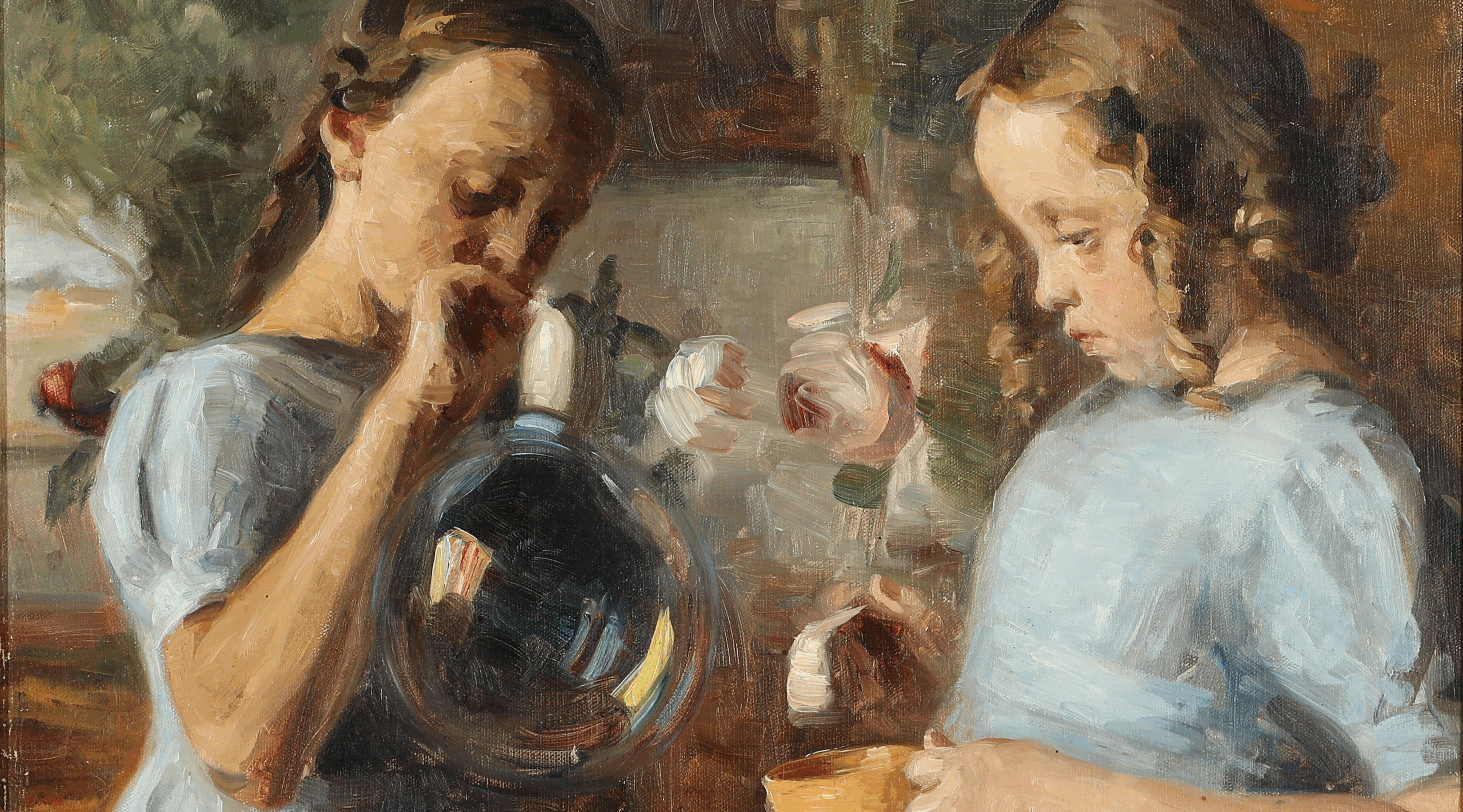
Wicked is a mirror, helping us see how we might rationalize wickedness in our own hearts. Gazing at her reflection in her “magical” bubble—yet another tool to promote her fabricated persona—Glinda sees a woman whom she doesn’t recognize, a woman living a “beautiful life, built on lies.” So, she pops it, acknowledging her inner wickedness for the first time. Like Glinda, we must pop the bubble of our own self-centeredness which conceals the reality of our sinfulness from ourselves and, like Elphaba, recognize the limitations and isolation wrought by selfishly satiating our passions.
But beyond simply recognizing the problem, how do we change? We must seek and extend forgiveness. After hurting another, we see the harmful effects and want to apologize. Often, that apology is a weak admittance of fault, something like “my bad!” or “I’m sorry if that was out of line!”, uttered simply to soothe our guilt. These phrases are almost always met with “no problem!”, marrying a false-apology with a false-forgiveness, watering down the gravity of sin, allowing bitterness to grow, and rendering mercy impossible. Mercy requires an explicit, sorrowful admittance of fault in order for the granting of forgiveness, not a feeble apology that side-steps blame. In their final moments together, Glinda and Elphaba reunite and apologize, confessing the wicked deeds they have done to each other, this acknowledgement of reality being the means to mutual forgiveness which mends their friendship.
Wicked: For Good shows us that, no, wickedness is not “thrust upon us,” but comes “from within, out of the heart of man” (Mark 7:21), and can only be cleansed through forgiveness. The moment we withhold or reject mercy is the moment we succumb to wickedness. Choosing to set aside our ego and constantly forgive, especially when difficult, is what allows us to grow in holiness and disposes us to receive God’s mercy, his mercy being the only thing that can truly change us “for good.”
✠
Image: Carl Vilhelm Meyer, Interior With Two Girls Blowing Soap Bubbles