Relentless ambition surrounded me when I lived in New York. Many were running at full speed, chasing lucrative positions, higher salaries, and greater influence, all grasping for success in the city that never sleeps. Their only reprieve was the over-indulgent pleasures of the city amidst a cycle of work and exhaustion that leaves its participants empty. I saw that jobs became the sole reason to live. Work became the definition of man.
Although this tendency of life in New York was bleak, I knew that work itself was not the problem. God made us for work. In the beginning, Adam was placed in the garden “to till it and keep it” (Gen 2:15), to be a little co-worker in the image and likeness of the Creator.
In Exodus, Pharaoh enslaved the Israelites, stripping them of their God-given identity and weaponizing work to secure his dominion over them. He ordered the building of monuments for his glory, distorting the world around him to sing his own praises instead of the Lord’s. The Israelites yearned for deliverance which God won for them through Moses. Though Pharaoh met his end in the Red Sea that day, other pharaohs are still at play today.
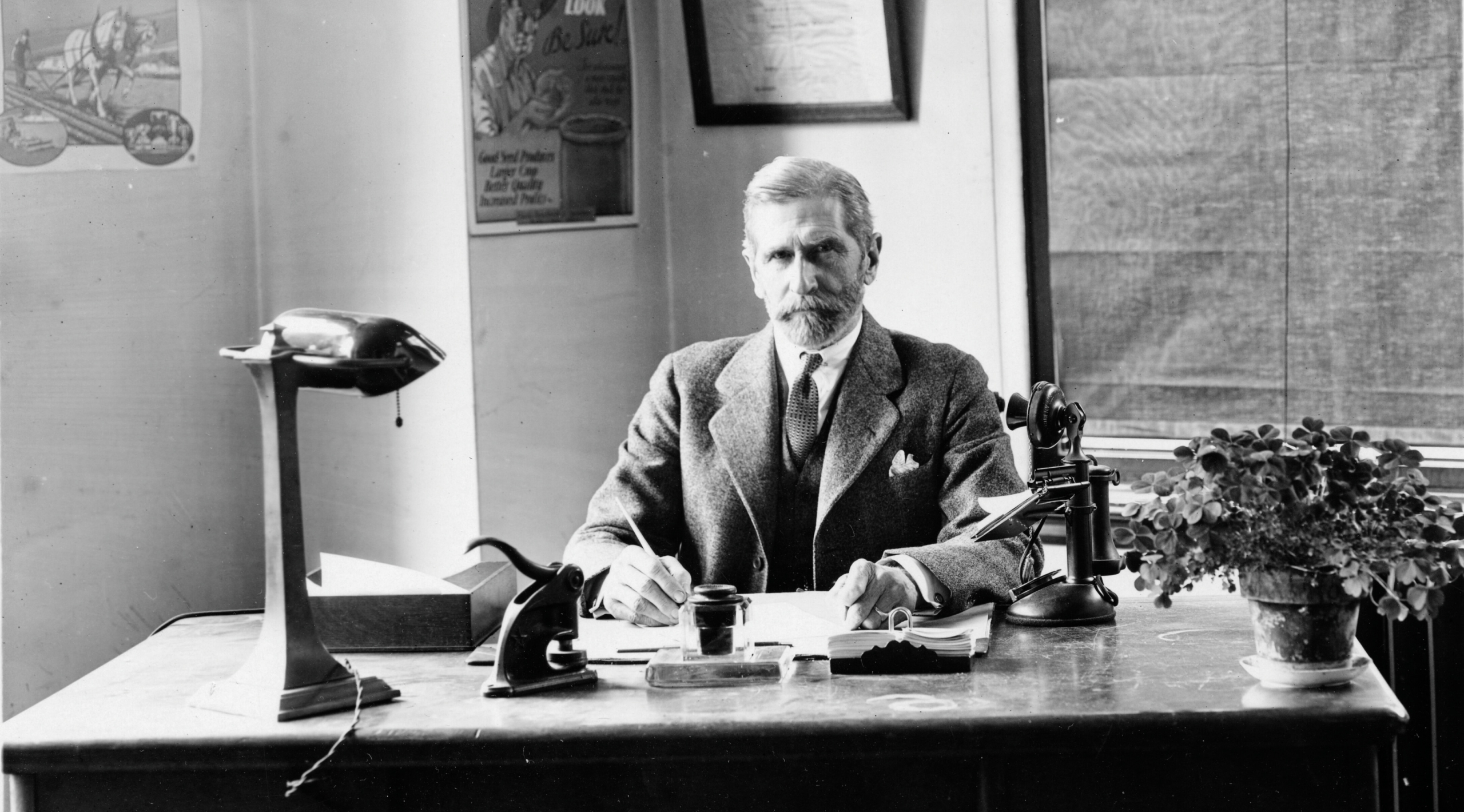
Modern society constantly encourages us to turn our gaze from God and to serve Pharaoh once more, now reincarnate as our own ambition. We seek worth in our work, forgetting our identities as spouse, parent, or Christian. As a result, our time and energy are directed towards venerating the little idols of Accolades and Influence on our desks instead of serving those we love.
Instead of our kids, work is who gets us up in the morning. Instead of our spouse, work is who we muse on throughout the day. Instead of God, work wins our last thought before drifting to sleep. Like Pharaoh with the Israelites, work holds us captive. How can we escape?
Saint Thérèse of Lisieux suggests her “Little Way” as a solution. Instead of indulging the urge to run from work, St. Thérèse discovered that the simplest path to holiness lies in doing work, even the littlest of things, with great love. Saint Thérèse heeded Jesus’ advice to “take my yoke upon you, and learn from me . . . for my yoke is easy, and my burden is light” (Matt 11:28, 30). She discovered that when she invited Christ into her work, every bitter task was made sweet. For the Little Flower, this work ranged from washing dishes to smiling at a disgruntled sister, transforming her menial sufferings into means of worshiping God.
Saint Thérèse couldn’t be defined by work because she knew her identity as a daughter of God. Following her example, we too can invite God into our daily tasks and experience a renewal of our identities as sons and daughters of the Father. For us, every message responded to, diaper changed, or office fire put out can be an offering to God, drawing ourselves closer to him in our everyday lives. When done for God, work becomes an oblation at the foot of the cross, our own small way of participating in the Paschal mystery for the salvation of souls.
We are made to work. Yet, our need for affirmation in the workplace easily takes the place of Jesus who alone can free us from the shackles put on us by a pharaonic view of labor. We must pray that he gives us the grace to crush the idols we keep on our desks and instead receive his easy yoke and our identities as children of God. Let us be coworkers with God once more.
✠
Image: Photo from Archives of Ontario on Wikimedia Commons